COLDS
Hugs and the common cold
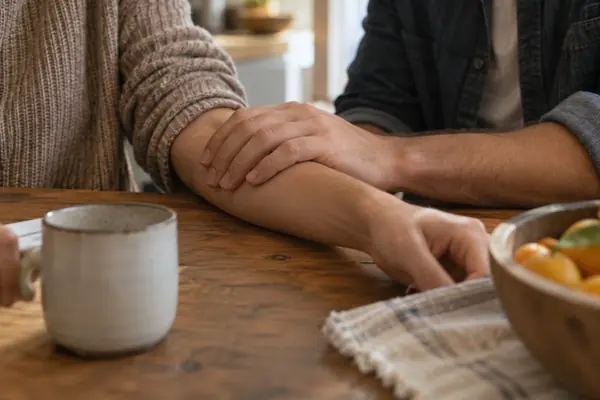
In a study of 404 healthy adults given a cold virus, people who were hugged more often had milder symptoms if they did get ill.
See the study doodlehug

ASK FIRSTthen hold on
Researchers have exposed volunteers to cold viruses, pooled hundreds of touch studies and recorded single nerve fibres in the skin. The findings are modest but real, and they all come with one condition: the touch has to be wanted.
Updated
THE SHORT ANSWER
The evidence is encouraging but modest.
It points to small, regular, consensual touch.
COLDS
In a study of 404 healthy adults given a cold virus, people who were hugged more often had milder symptoms if they did get ill.
See the studyMOOD
A 2024 review pooled touch studies and found touch reduced pain, depression and anxiety. Blankets and pillows helped too, though less than people.
Compare kinds of touchNERVES
Special skin nerves called C-tactile fibres fire most to slow, gentle stroking, and the faster they fire, the more pleasant it feels.
Meet the nervesA QUICK TOUCH CHECK
Pick a kind of touch to see what the research says about it. The bar shows how strongly the studies link it to the benefits they measured.
Based on a 2024 meta-analysis in Nature Human Behaviour and a 2014 review of C-tactile nerves. General information, not medical advice.
TWO NUMBERS WORTH KNOWING
One careful experiment on hugs,
one review of hundreds of touch studies.
⅓ of the effect
Share of social support's protection explained by hugs
404 healthy adults reported their hugs and conflicts by phone on 14 evenings, then were exposed to a cold virus in quarantine. Hugs accounted for about one-third of the protective effect of feeling supported.
HUGS AND COLDS · CARNEGIE MELLON
212 studies
Studies pooled in the 2024 review
137 studies in the meta-analysis and 75 more in the systematic review, covering 12,966 people. Touch reduced pain, depression and anxiety, with the largest effects on mental health.
TOUCH STUDIES · NATURE HUMAN BEHAVIOUR
The cold study's lead author said the benefit may come from the physical contact itself, or from hugs being a sign of support and closeness. The 2024 review notes small-study bias, and that people cannot be blinded to whether they were touched.

FOUR THINGS TO TRY
None of these needs anything new. They are small habits that match what the touch studies keep finding.
The 2024 review found benefits when touch was consensual. A quick "Hug?" keeps it that way.
Longer touch did not clearly add more benefit, and shorter, more frequent touch did better in the review.
A slow stroke on the arm or back matches the speed the skin's C-tactile nerves like best.
If people are not around, a heavy blanket or body pillow still showed a measurable, smaller benefit.
THE NERVES BEHIND IT
Alongside the nerves that tell us about pressure and texture, hairy skin has slow C-tactile fibres. They fire most to soft stroking at about 1 to 10 cm a second, and their firing tracks how pleasant people say the touch feels.
Researchers Liljencrantz and Olausson suggest these fibres may be a dedicated pathway for the kind of close, affiliative contact we share with other people, such as a hug or a reassuring hand on the arm.

Questions
Not exactly. In a study of 404 adults given a cold virus, more frequent hugs were linked with milder symptoms among those who got infected, and hugs explained about a third of social support's protective effect.
Nobody knows yet. The lead researcher said the effect may come from the physical contact, or from hugs being a sign of support and intimacy.
Not according to the 2024 review. Studies averaged about 20 minutes of touch, longer touch did not clearly change results, and shorter, more frequent touch was more beneficial.
Partly. Objects and robots gave physical benefits similar to people, but objects did less for mental health than human touch.
That matters. The review found benefits when touch was consensual, and unwanted touch is not what any of these studies measured.
ABOUT THIS NAME
doodlehug.com is part of the DoodleSale portfolio. It isn't in an auction right now, but you can ask about leasing it.